El Tablao de Carmen


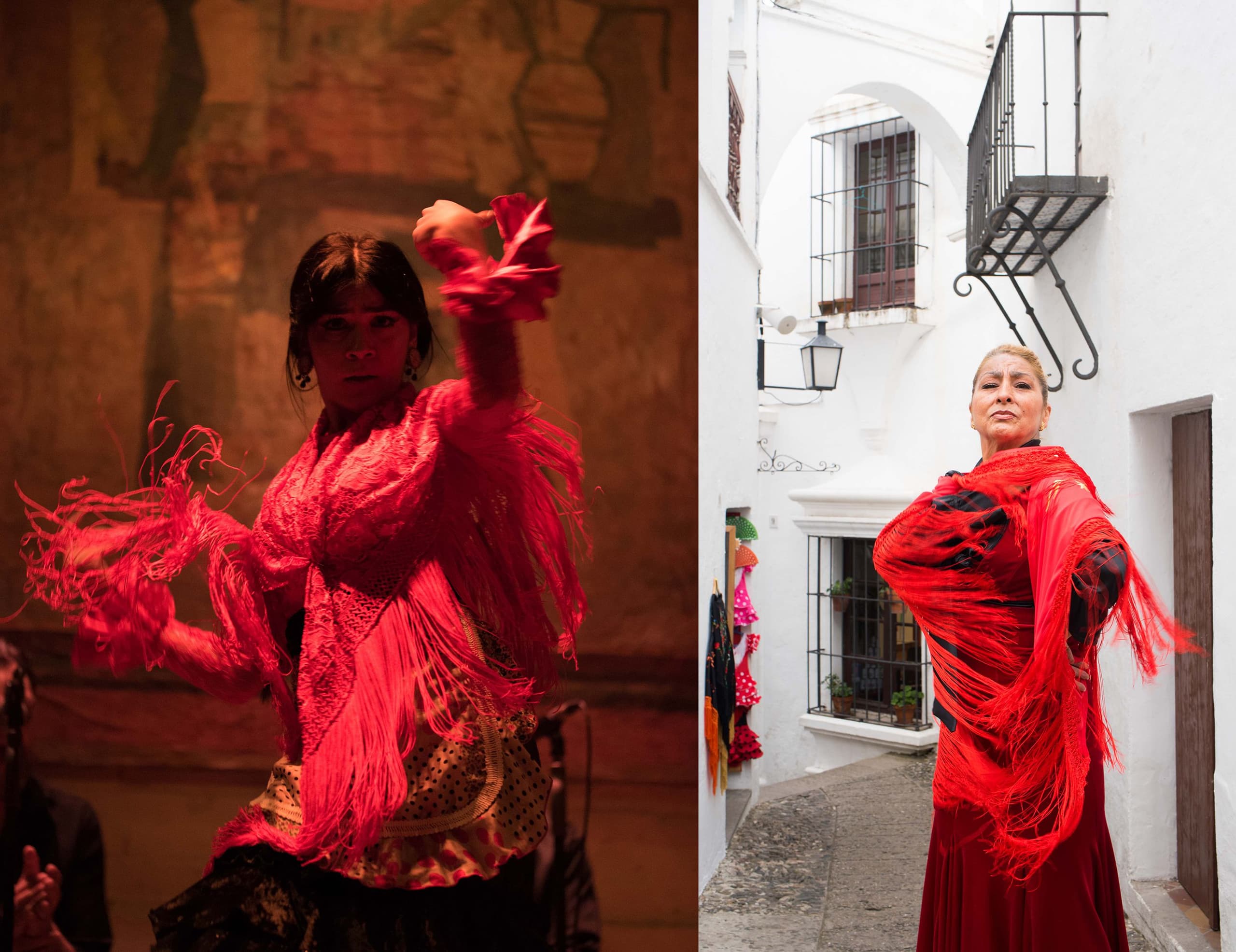
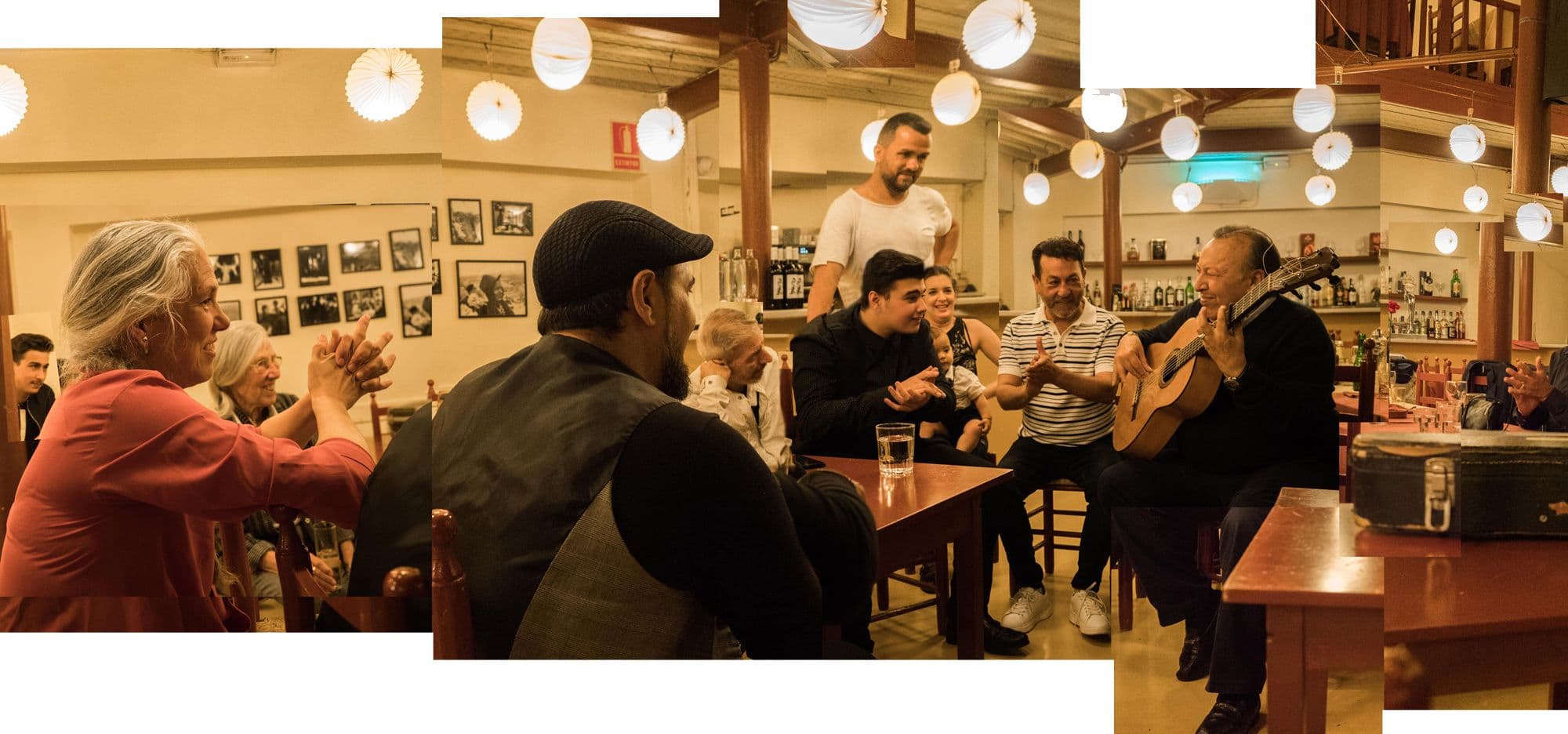
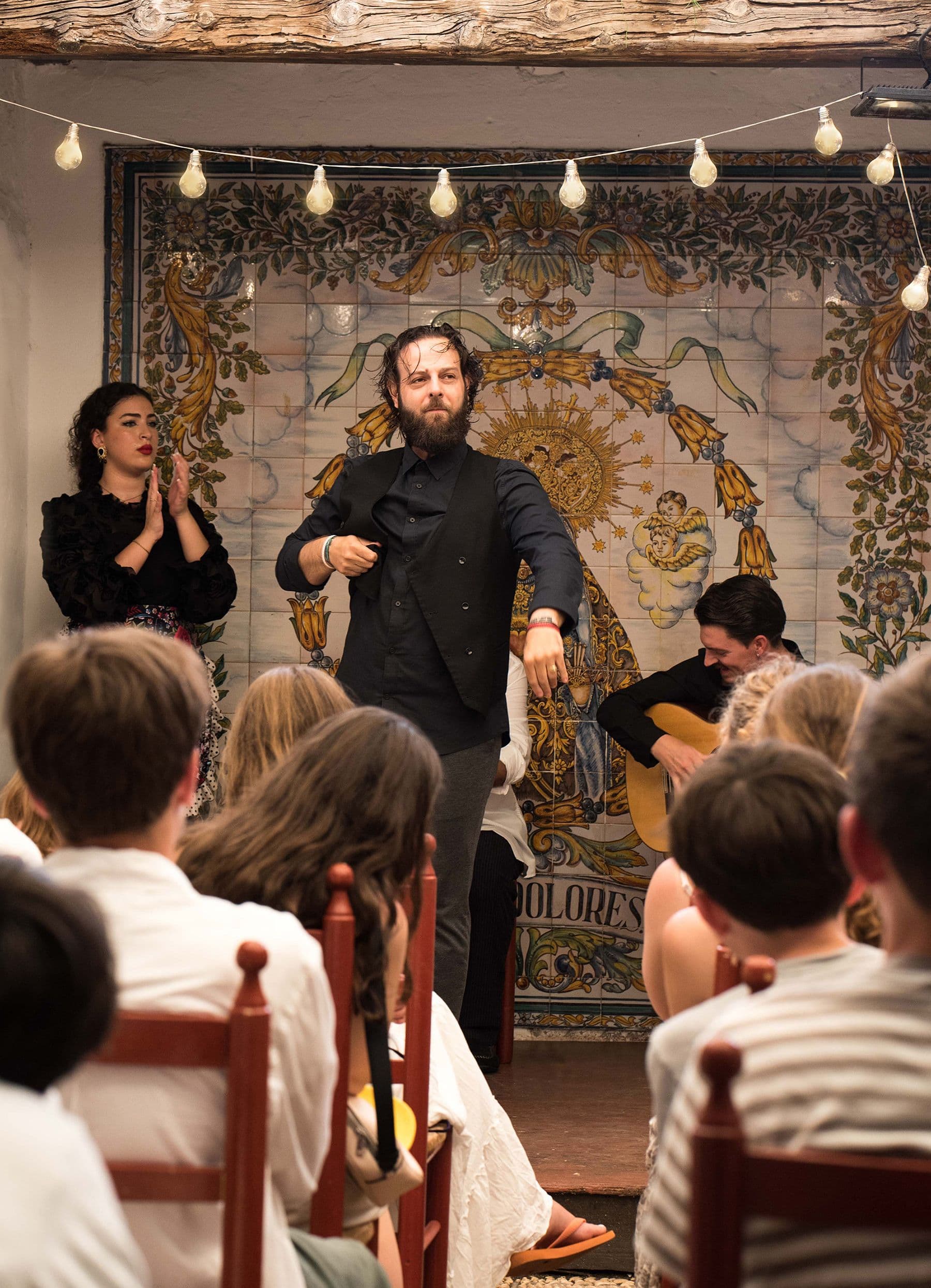


I don’t know if I can define my collaboration with Tablao de Carmen as a job. Nor do I think I can define them as a company. This small Barcelona tablao carries in its DNA an unpredictable cocktail of things—some intangible, others very down-to-earth—that have had me hooked since the first day I walked through the small door on Calle de los Arcos. Vocation, Art, past, future, disorder, talents.
Its history, forever linked to Carmen Amaya and now part of Barcelona’s own history. Its vocation as a breeding ground, a future forged day by day for 30 years, in that happy and prosperous pre-Olympic city, with cousins and nephews and uncles and grandparents of artists—entire generations of Roma families who come and cheer and protest and clap and give thanks to God.
I give mine to the founder Sunchy Echegaray and her daughter Mimo Agüero—today, both friends—for allowing me to work, photograph and live in the way I most desire: without limits or borders between the three.
Next Project
El Tablao de Carmen
I don’t know if I can define my collaboration with Tablao de Carmen as a job. Nor do I think I can define them as a company. This small Barcelona tablao carries in its DNA an unpredictable cocktail of things—some intangible, others very down-to-earth—that have had me hooked since the first day I walked through the small door on Calle de los Arcos. Vocation, Art, past, future, disorder, talents.
Its history, forever linked to Carmen Amaya and now part of Barcelona’s own history. Its vocation as a breeding ground, a future forged day by day for 30 years, in that happy and prosperous pre-Olympic city, with cousins and nephews and uncles and grandparents of artists—entire generations of Roma families who come and cheer and protest and clap and give thanks to God.
I give mine to the founder Sunchy Echegaray and her daughter Mimo Agüero—today, both friends—for allowing me to work, photograph and live in the way I most desire: without limits or borders between the three.